- 3
- 4
- 5
- 8
- 1
- 1
- 1
- 1
- 9
- 1
- 1
- 7
- 4
- 14
- 20
- 17
- 2
- 2
- 2
- 2
- 2

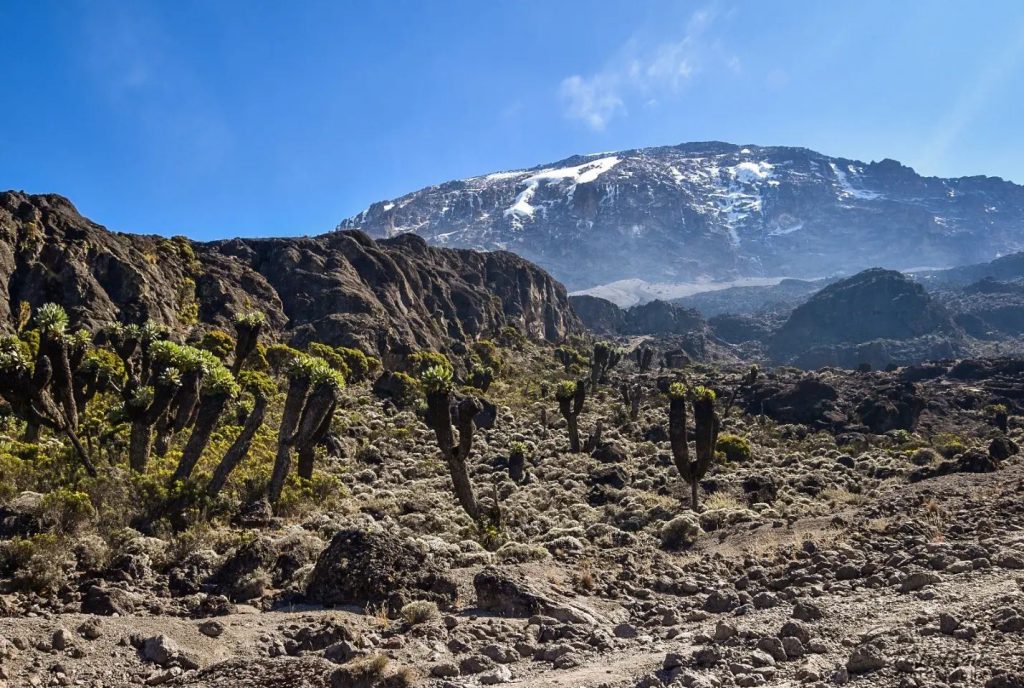
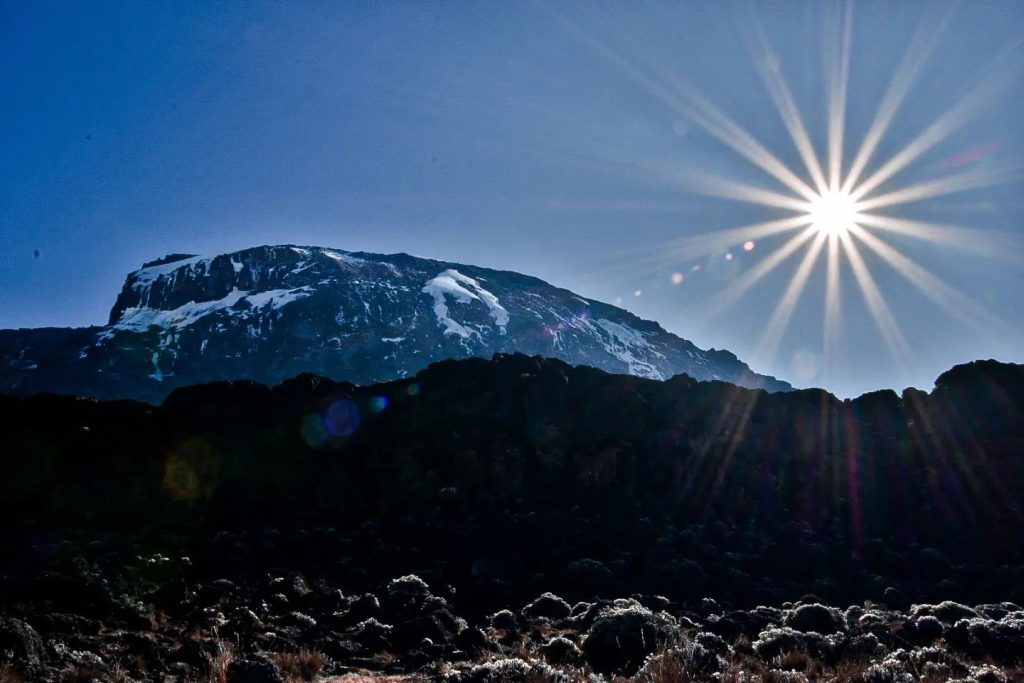
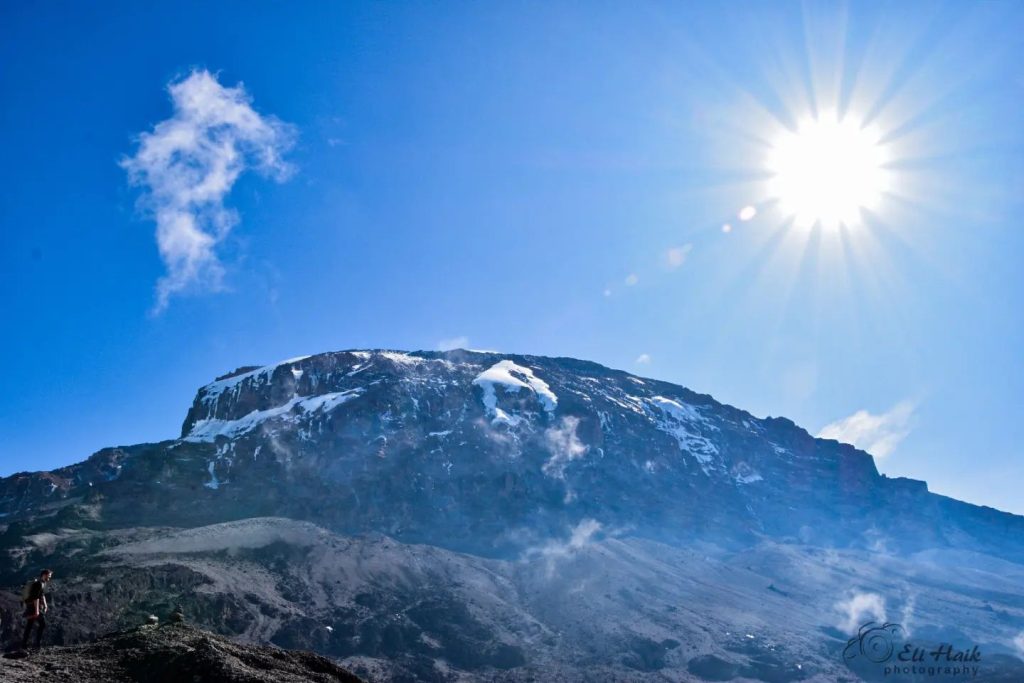
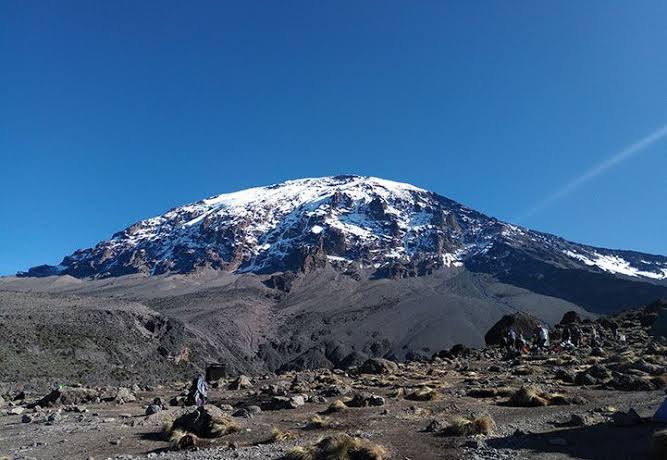
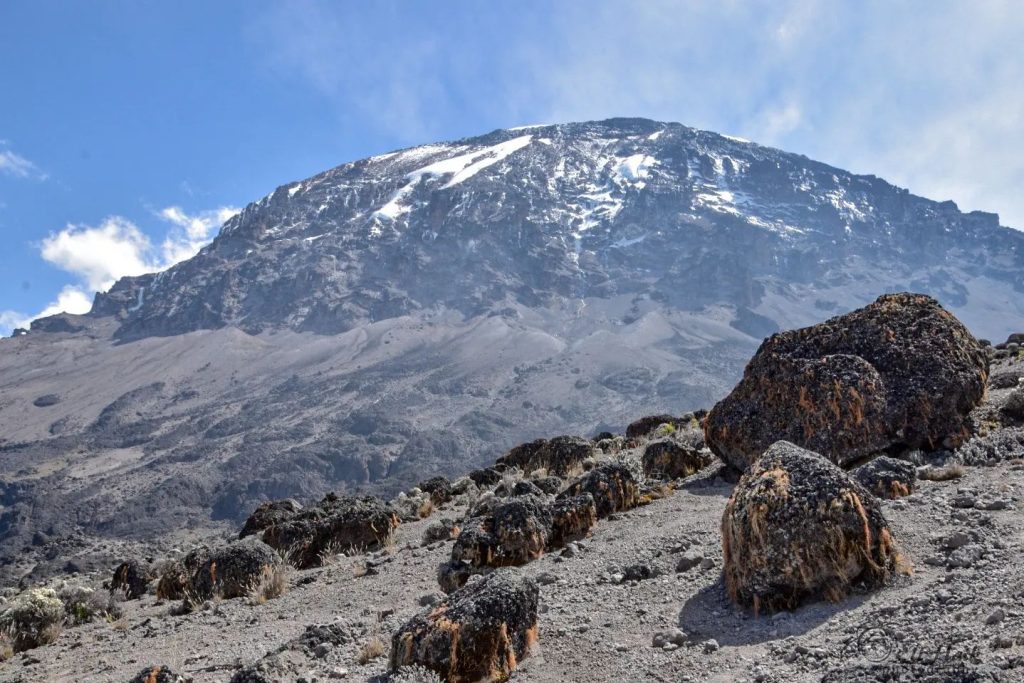
Kilimanjaro National Park, located in northeastern Tanzania, is home to the iconic Mount Kilimanjaro — the highest free-standing mountain in the world and Africa’s tallest peak at 5,895 meters (19,341 feet). Declared a UNESCO World Heritage Site in 1987, the park covers an area of approximately 1,688 square kilometers and encompasses a remarkable range of ecological zones and diverse wildlife habitats.
Mount Kilimanjaro is a dormant stratovolcano composed of three volcanic cones — Kibo, Mawenzi, and Shira. The park is a magnet for trekkers and adventurers from all over the world seeking to conquer the mountain’s summit and experience its breathtaking natural beauty.
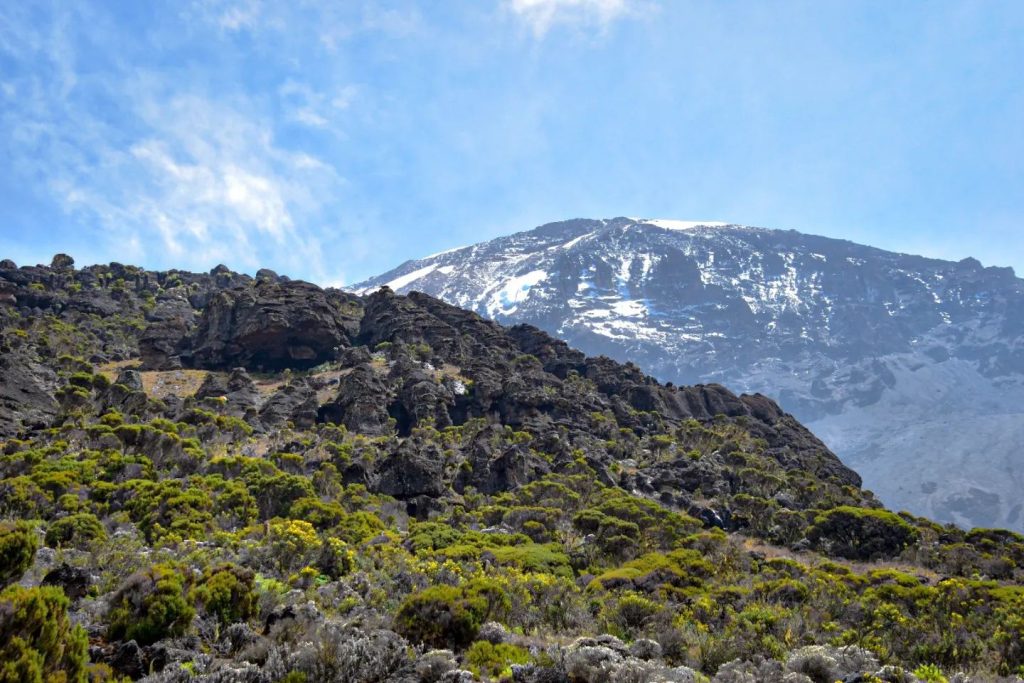
The park features a fascinating ecological gradient starting from tropical rainforest at the base, moving upward through heath and moorland zones, alpine desert, and culminating in the summit’s arctic conditions.
Rainforest Zone: Rich in biodiversity with giant tree ferns, camphor trees, and endemic birds such as the African crowned eagle.
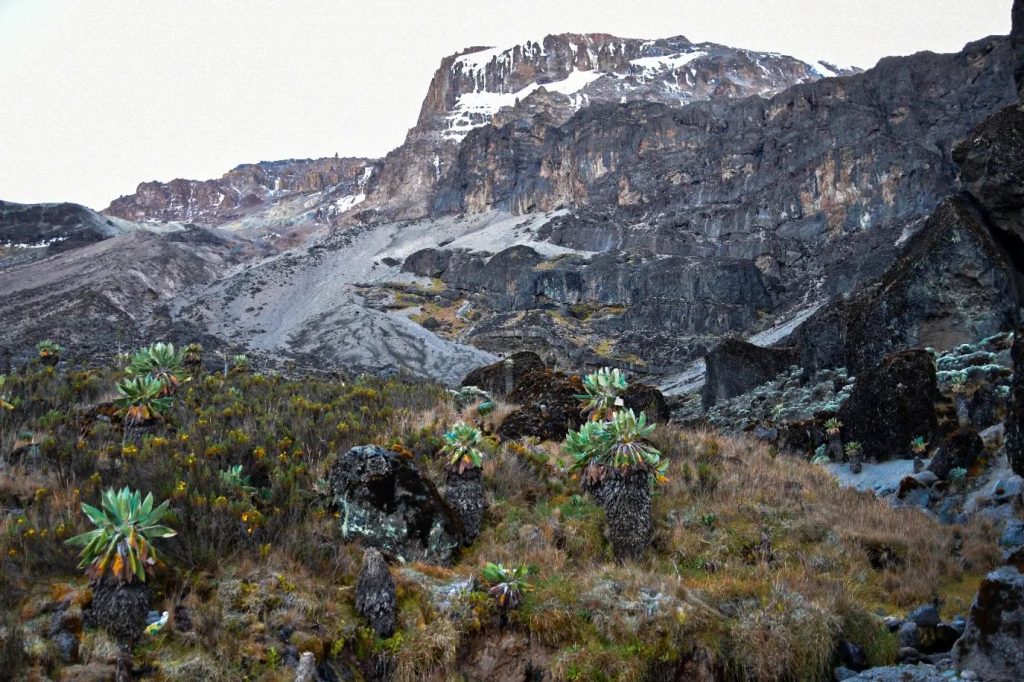
Heath and Moorland: Home to giant lobelias and groundsels, rare plants unique to Kilimanjaro.
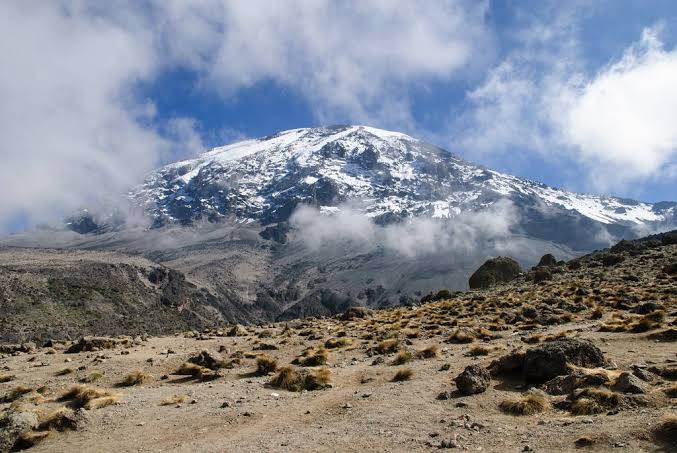
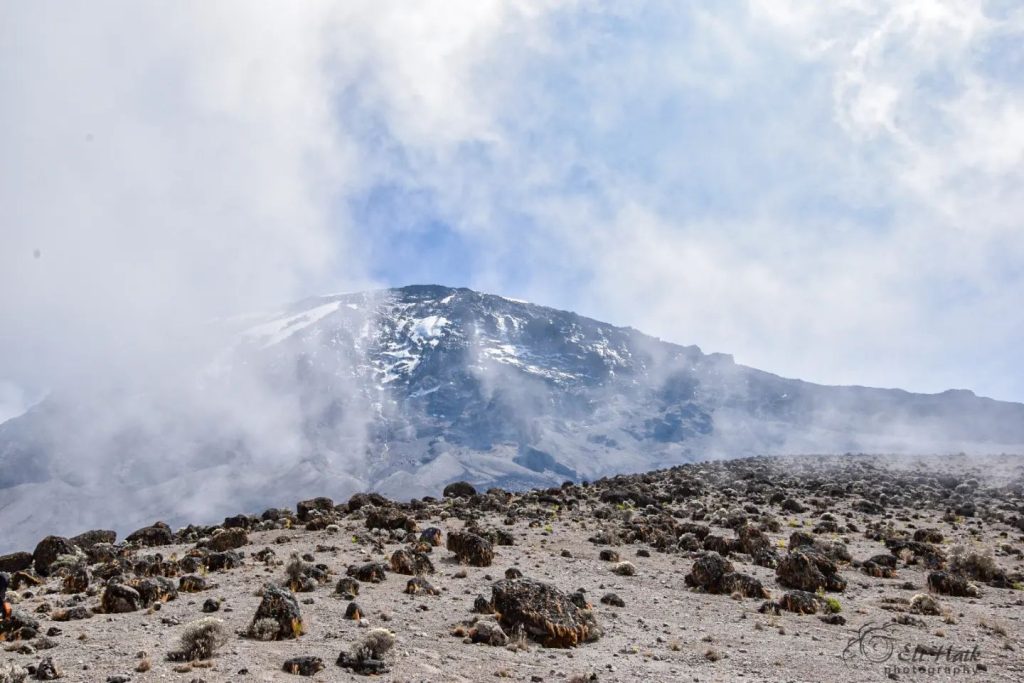
Alpine Desert: Harsh environment with sparse vegetation, volcanic rock, and incredible views.
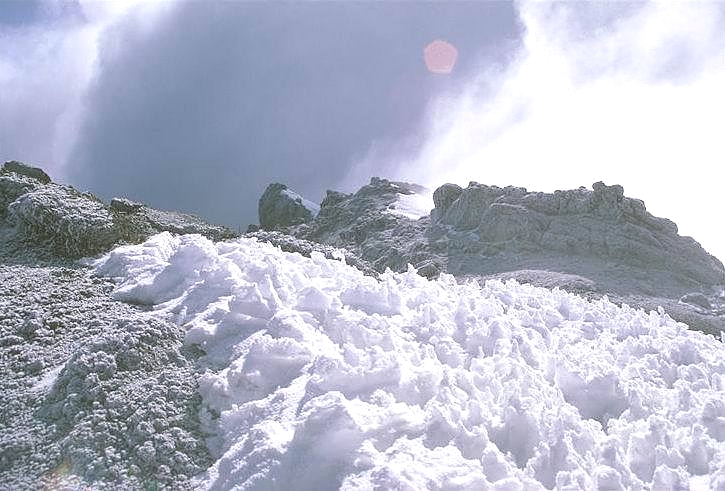
Summit Zone: Glaciers and snowfields atop the crater rim with temperatures dropping well below freezing.
Wildlife in the park includes elephants, buffaloes, leopards, hyenas, and monkeys like the rare colobus. Birdlife is abundant with over 140 species recorded.
Kilimanjaro National Park offers multiple trekking routes, each providing a unique climbing experience. Popular routes include:
Machame Route: Known as the “Whiskey Route,” famous for its scenic beauty and higher success rates due to gradual acclimatization.
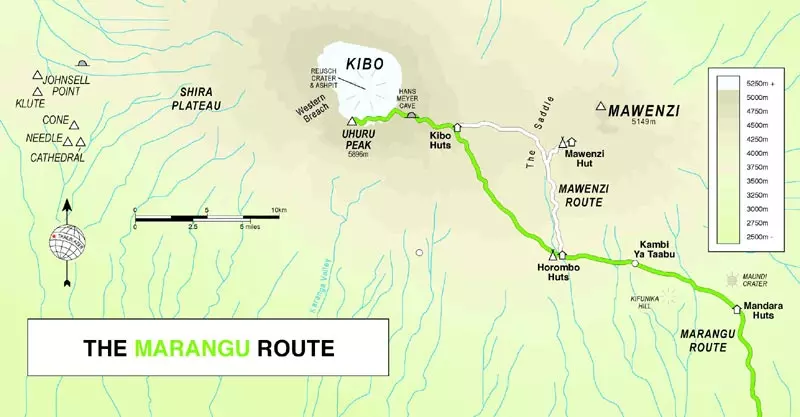
Marangu Route: The “Coca-Cola Route,” offering hut accommodations and considered easier but with less scenic variation.
Lemosho Route: Favored for its remote and beautiful scenery with high success rates.
Rongai Route: The northern approach, less crowded and known for its gentler slopes.
Umbwe Route: The steepest and most challenging, suited for experienced climbers.
Atih Safaris offers tailor-made packages for all routes with expert guides, porter support, quality camping equipment, and comprehensive safety protocols.
Our team specializes in providing personalized Kilimanjaro trekking experiences. We prioritize your safety, comfort, and success. Services include:
Experienced Guides: Certified and knowledgeable guides fluent in English and trained in wilderness first aid.
Porters and Support Staff: Friendly porters to carry your heavy gear and cooks to prepare nutritious meals.
Quality Equipment: High-quality tents, sleeping mats, and private toilet tents for comfort on the trail.
Acclimatization Planning: Routes designed to maximize your chances of summiting safely.
Environmental Responsibility: We adhere to Leave No Trace principles to preserve the mountain’s fragile environment.
Visitors must register at the park gate and pay national park fees. Kilimanjaro National Park is open year-round, with the dry season (June to October) being the most popular time for trekking. Atih Safaris handles all permits and logistics to ensure a hassle-free experience.
After your trek, explore nearby attractions such as:
Moshi Town: Gateway to Kilimanjaro with markets, cafés, and cultural experiences.
Arusha National Park: Close-by wildlife viewing with giraffes, buffalos, and black-and-white colobus monkeys.
Coffee Tours: Learn about local coffee farming and tasting in the foothills of Kilimanjaro.
Personalized itineraries based on your fitness and preferences.
Dedicated customer support before, during, and after your trip.
Competitive pricing with no hidden fees.
Commitment to sustainable tourism and community support.
Safety-first approach with full medical kits and evacuation plans.
Whether you’re a first-time climber or an experienced mountaineer, Kilimanjaro National Park offers an unforgettable adventure. Contact Atih Safaris to customize your trek and take the first step towards standing on the “Roof of Africa.”