- 3
- 4
- 5
- 8
- 1
- 1
- 1
- 1
- 9
- 1
- 1
- 7
- 4
- 14
- 20
- 17
- 2
- 2
- 2
- 2
- 2

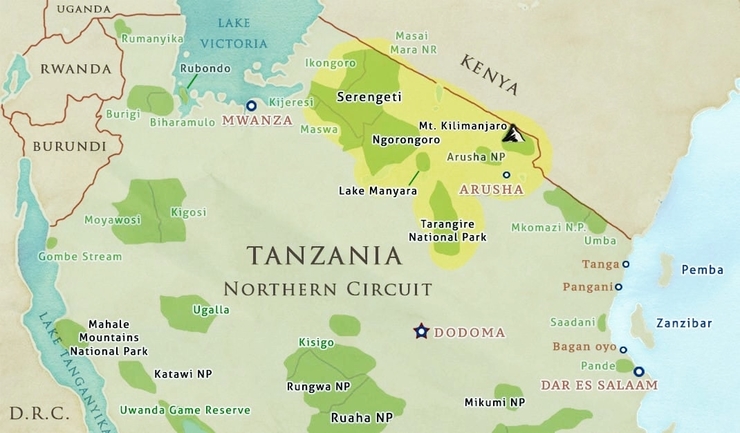
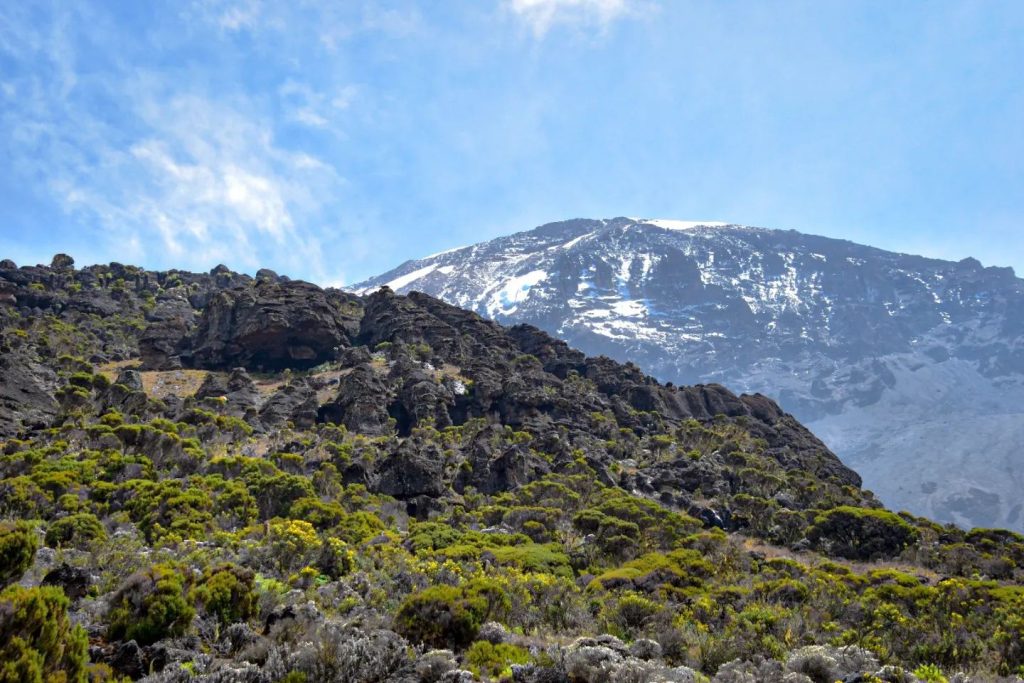
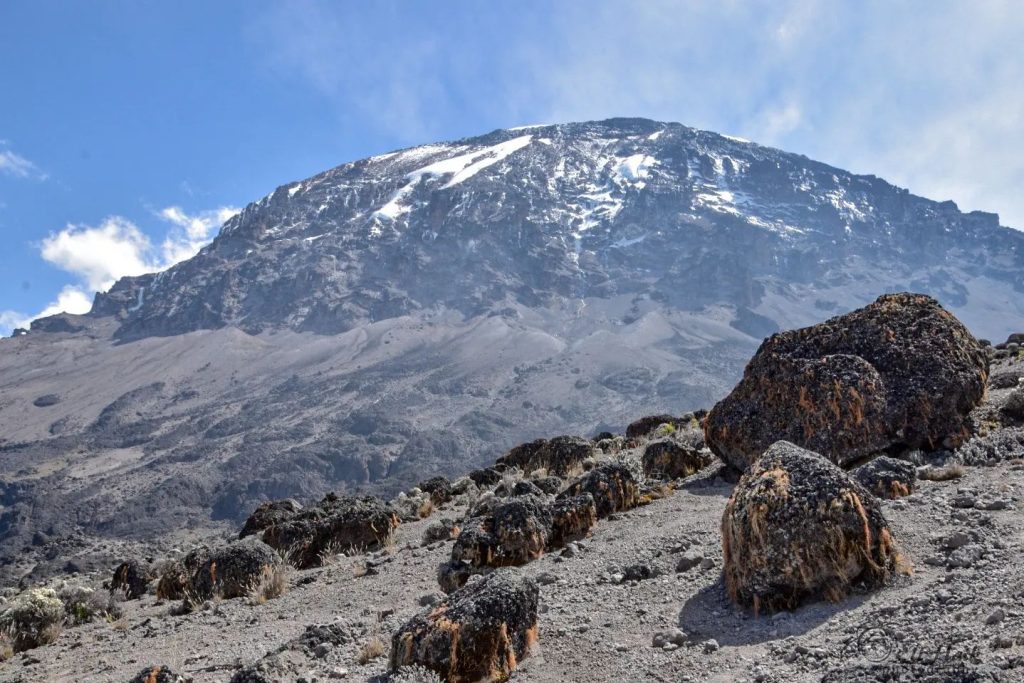
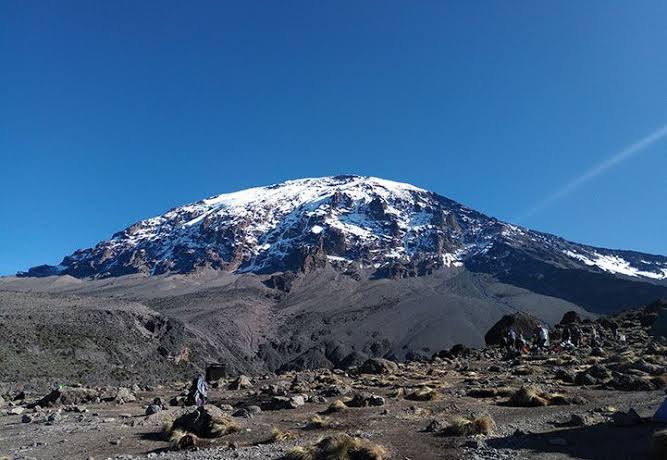
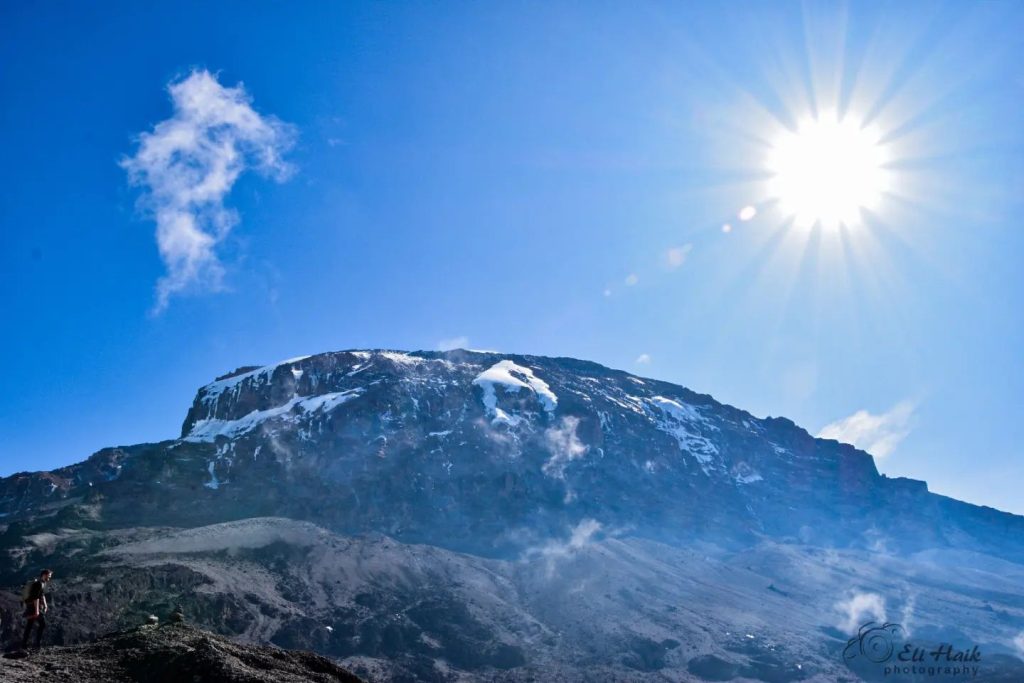
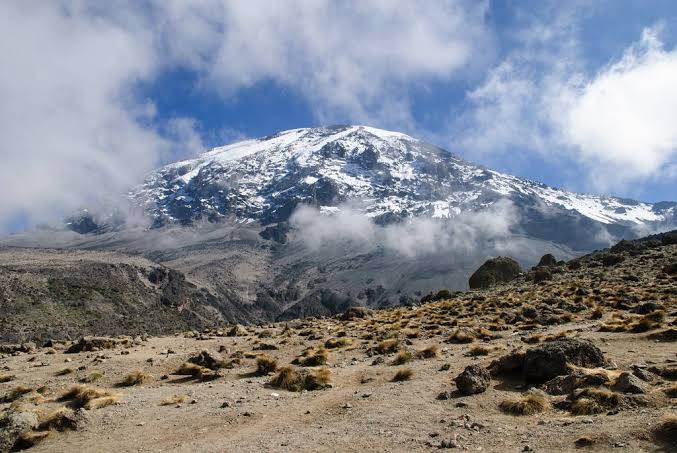
Mount Kilimanjaro is the tallest mountain in Africa and the world’s highest free-standing volcano, soaring to 5,895 meters (19,341 feet) above sea level. Located in northeastern Tanzania, Kilimanjaro is a breathtaking natural wonder famous for its snow-capped summit rising majestically above the surrounding plains.
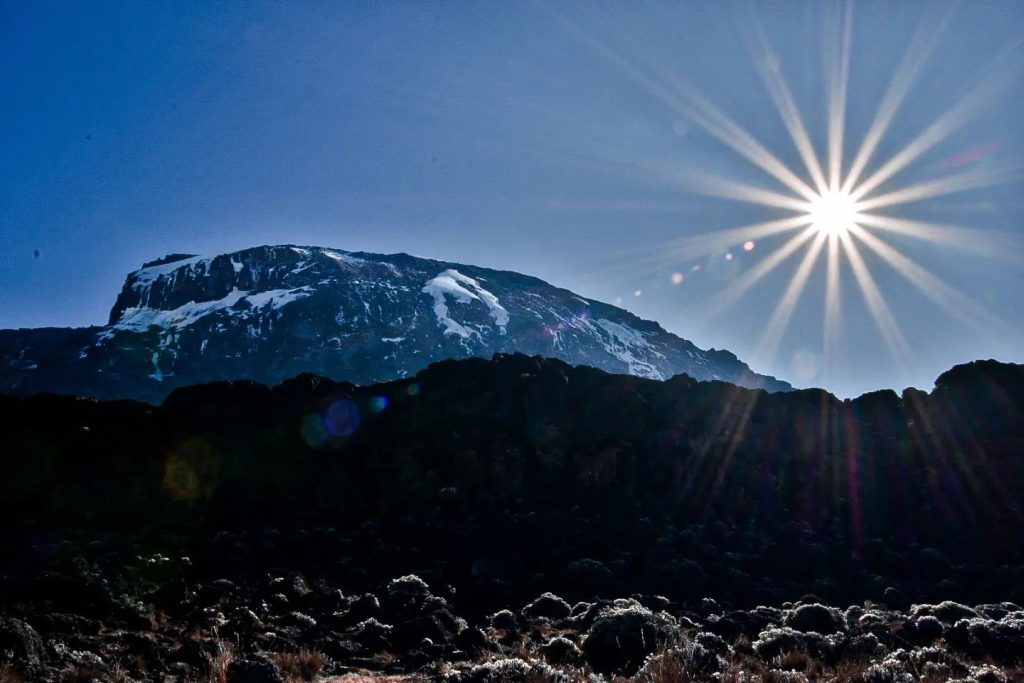
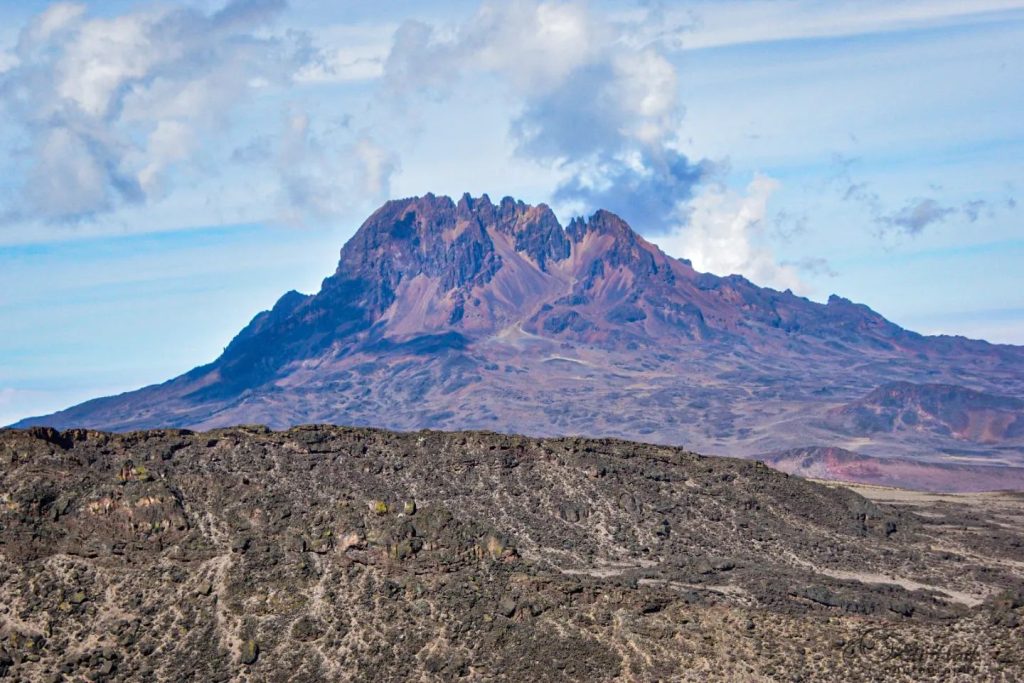
The mountain comprises three volcanic cones: Kibo (the highest), Mawenzi, and Shira. Kibo’s summit, known as Uhuru Peak, is the ultimate goal for trekkers seeking an unforgettable adventure and the experience of standing on the “Roof of Africa.”
Kilimanjaro offers a unique trekking experience combining stunning landscapes, diverse ecosystems, and an achievable summit for those with determination and good fitness. Unlike technical mountaineering, climbing Kilimanjaro requires no specialized climbing equipment or skills, making it accessible to many adventurers.
Key highlights of the climb include:
Traversing five ecological zones from rainforest to alpine desert and glacial summit.
Witnessing spectacular views over Tanzania, Kenya, and beyond.
Experiencing rich flora and fauna unique to each altitude.
Challenging your endurance while supported by expert guides and a dedicated team.
There are several established trekking routes to Uhuru Peak, each offering distinct scenery, duration, and difficulty:
Machame Route: Scenic and challenging, known as the “Whiskey Route,” offering great acclimatization and high success rates.
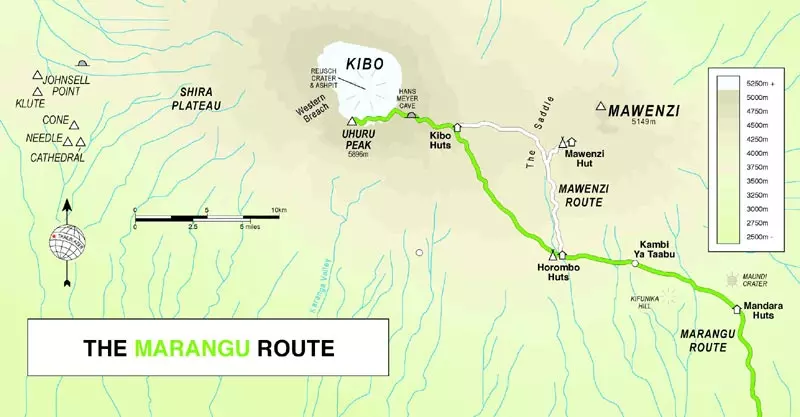
Marangu Route: The oldest and most straightforward route with hut accommodation (“Coca-Cola Route”).
Lemosho Route: Remote and beautiful, ideal for those wanting fewer crowds and excellent acclimatization.
Rongai Route: Approaches from the north, drier and less crowded, with gentler gradients.
Umbwe Route: Steep and challenging, recommended for experienced trekkers.
As you ascend, the vegetation and wildlife change dramatically:
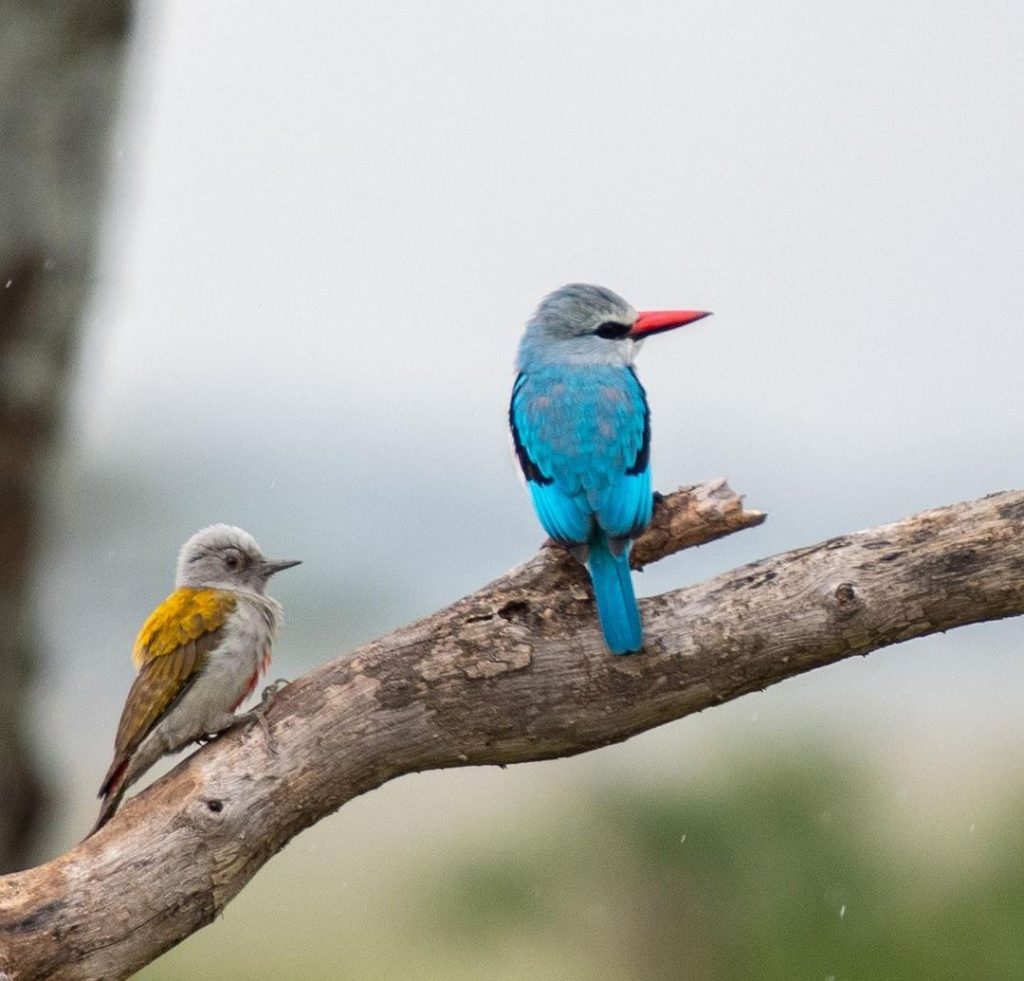
Lower slopes: Dense montane rainforest with species like elephants, monkeys, and abundant birds.
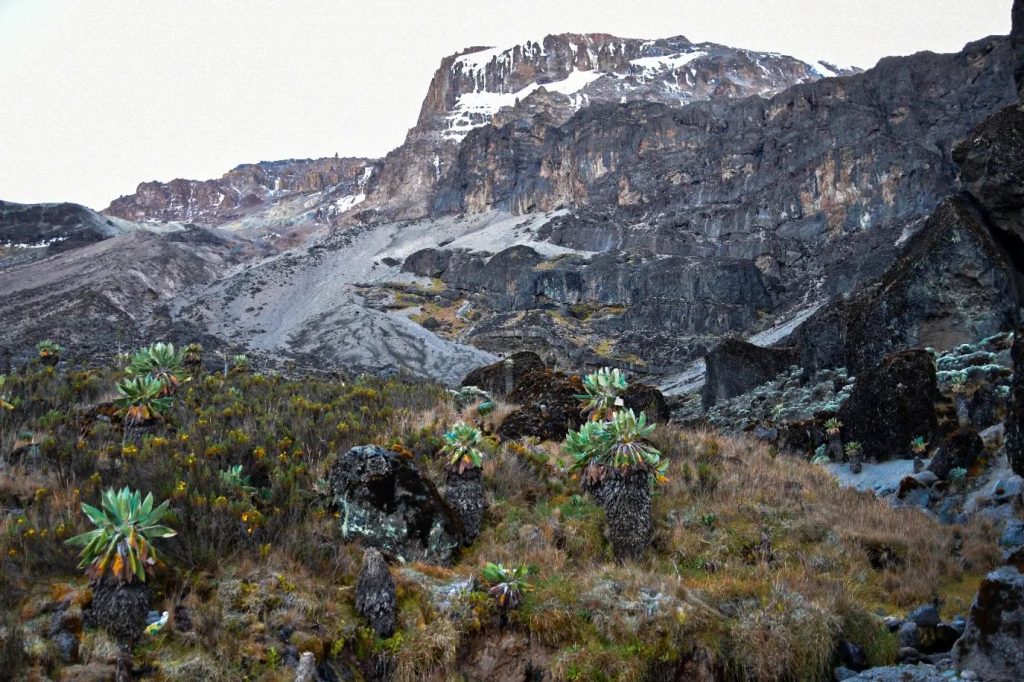
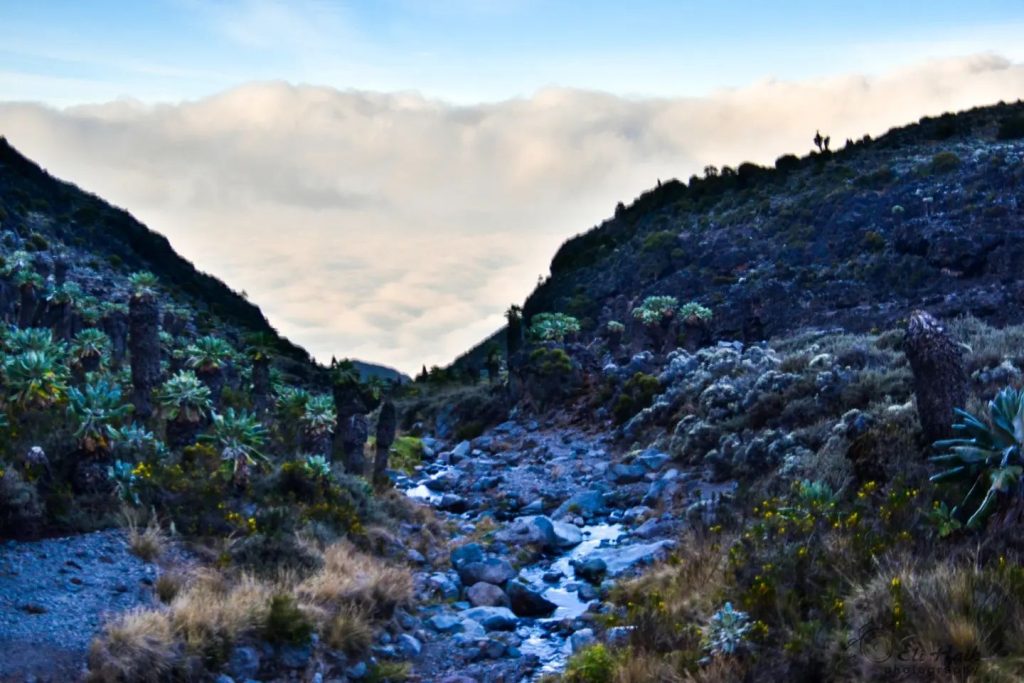
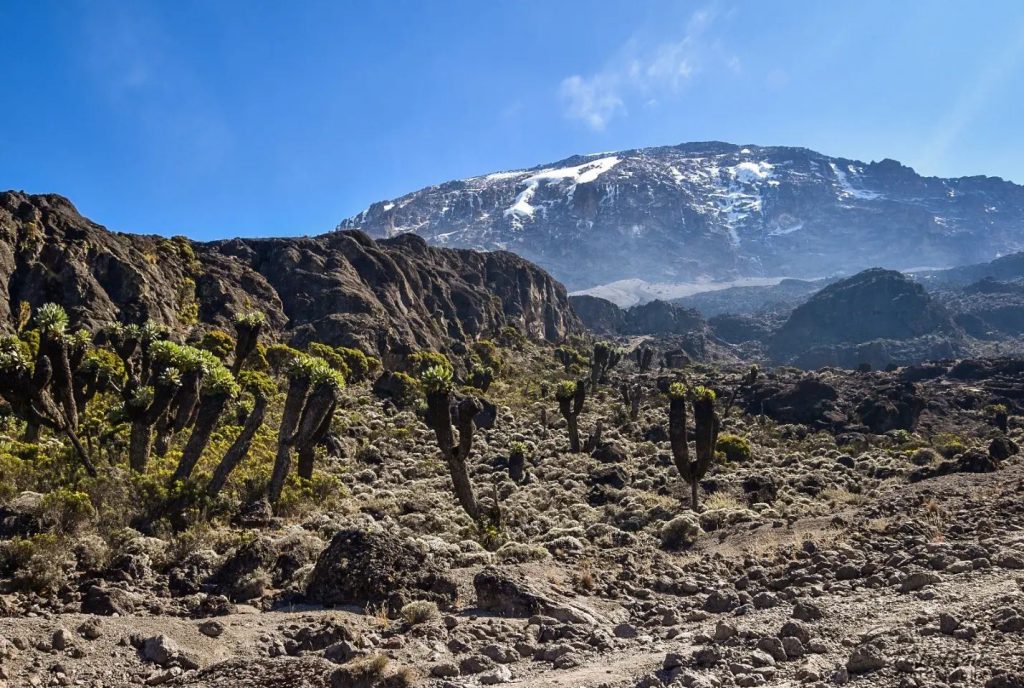
Mid-altitude: Moorland and heath zones dotted with giant lobelias and groundsels.
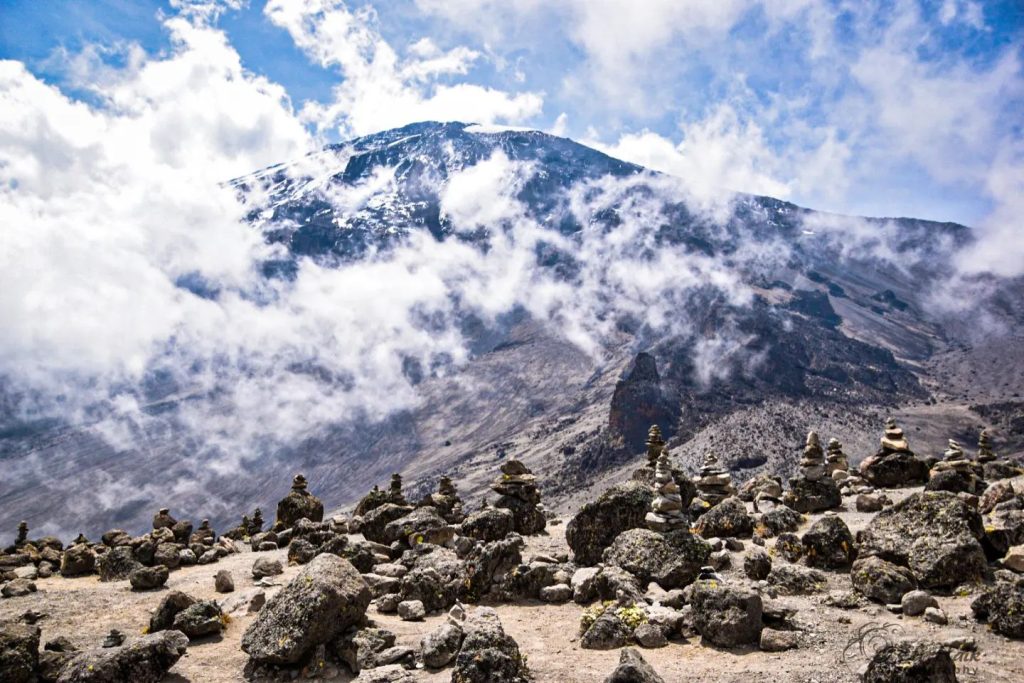
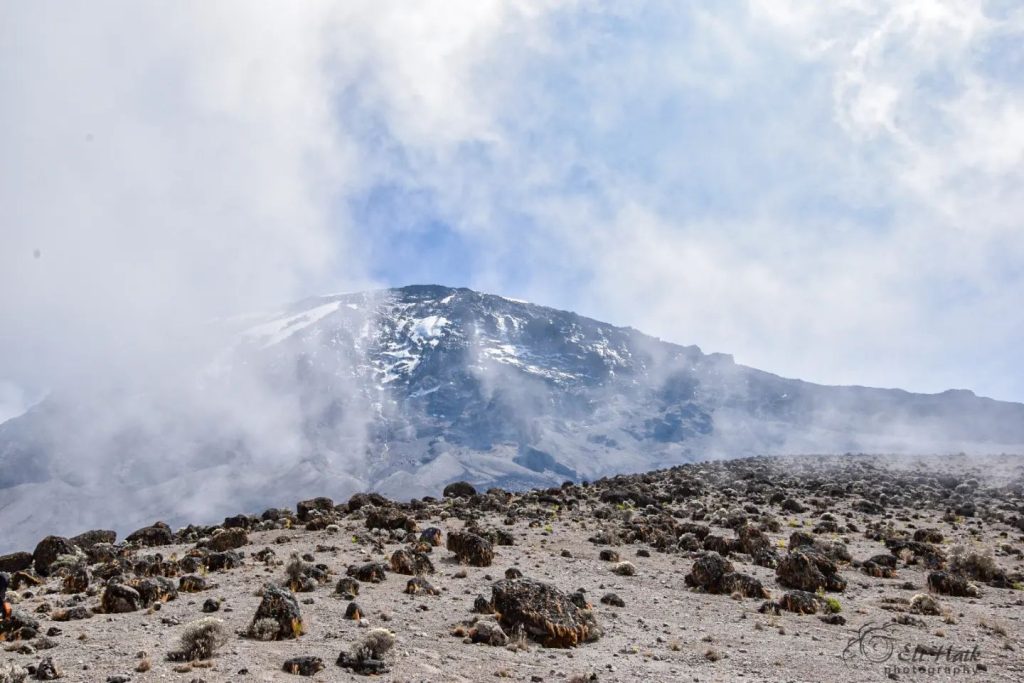
High altitude: Alpine desert with sparse vegetation and rocky terrain.
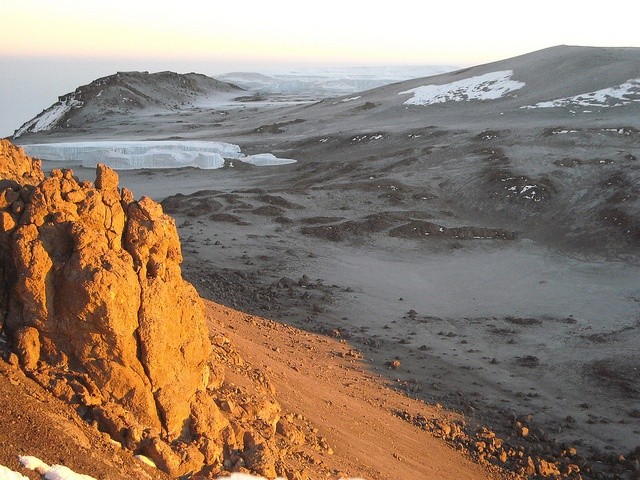
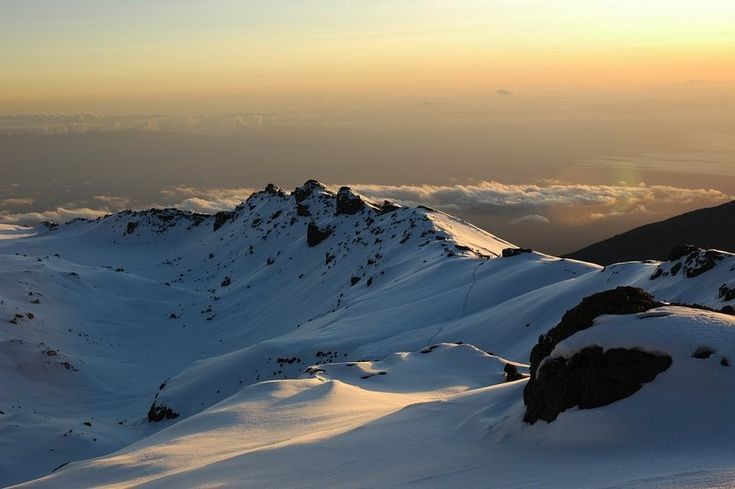
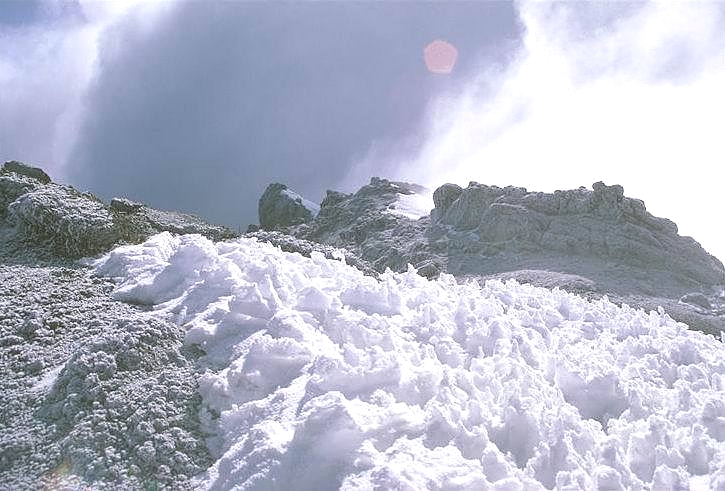
Summit zone: Permanent snow and glaciers surround the crater, the highest point on the continent.
Atih Safaris offers expertly guided Kilimanjaro treks, ensuring your climb is safe, enjoyable, and well-supported. Our services include:
Professional guides trained in altitude sickness prevention and first aid.
Experienced porters and cooks providing excellent support and nutritious meals.
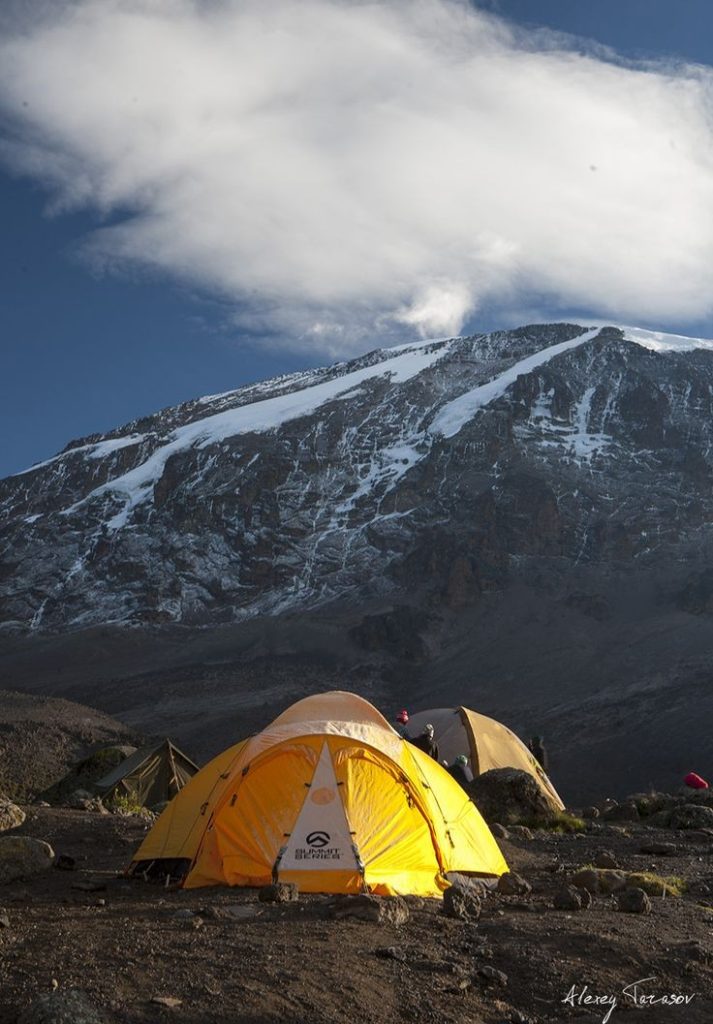
Quality camping gear and comfortable tents.
Tailored itineraries allowing flexibility and optimal acclimatization.
Comprehensive safety plans, including oxygen cylinders and evacuation procedures.
The best climbing seasons are during the dry periods:
January to March
June to October
These months offer clearer skies, less rain, and better summit success rates.
Climbing Kilimanjaro requires official park permits issued by the Tanzania National Parks Authority (TANAPA). Atih Safaris arranges all permits, park fees, and documentation, ensuring a hassle-free experience.
Reach out to Atih Safaris today to plan your personalized Kilimanjaro trek. Let us guide you on an unforgettable journey to Africa’s highest peak — an adventure that will challenge you, inspire you, and reward you with memories for a lifetime.