- 3
- 4
- 5
- 8
- 1
- 1
- 1
- 1
- 9
- 1
- 1
- 7
- 4
- 14
- 20
- 17
- 2
- 2
- 2
- 2
- 2

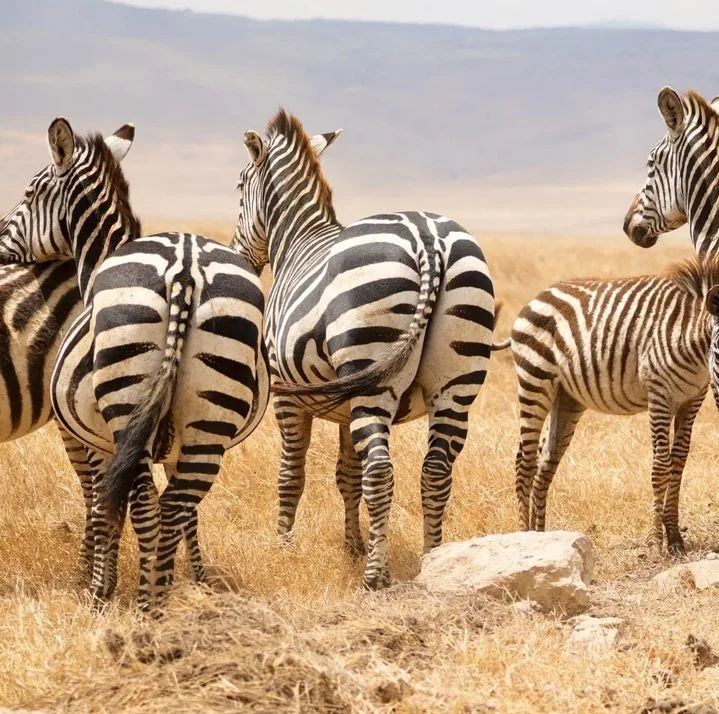
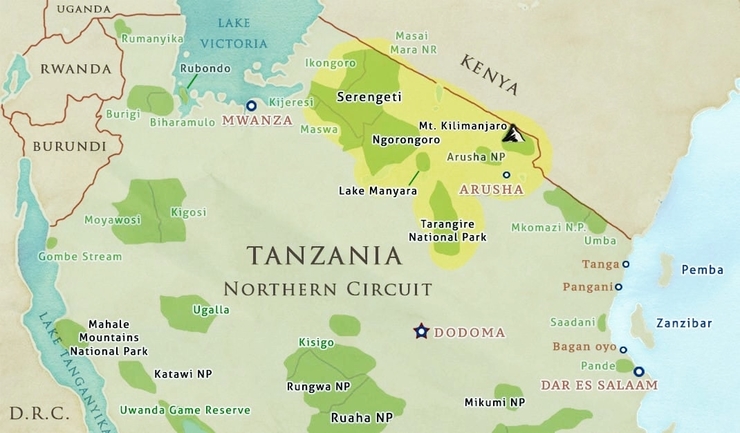
The Ngorongoro Crater is one of the world’s most spectacular natural wonders — a vast volcanic caldera spanning about 260 square kilometers and plunging 610 meters deep. Located within the Ngorongoro Conservation Area in northern Tanzania, this UNESCO World Heritage Site is renowned for its incredibly dense wildlife populations and breathtaking landscapes.
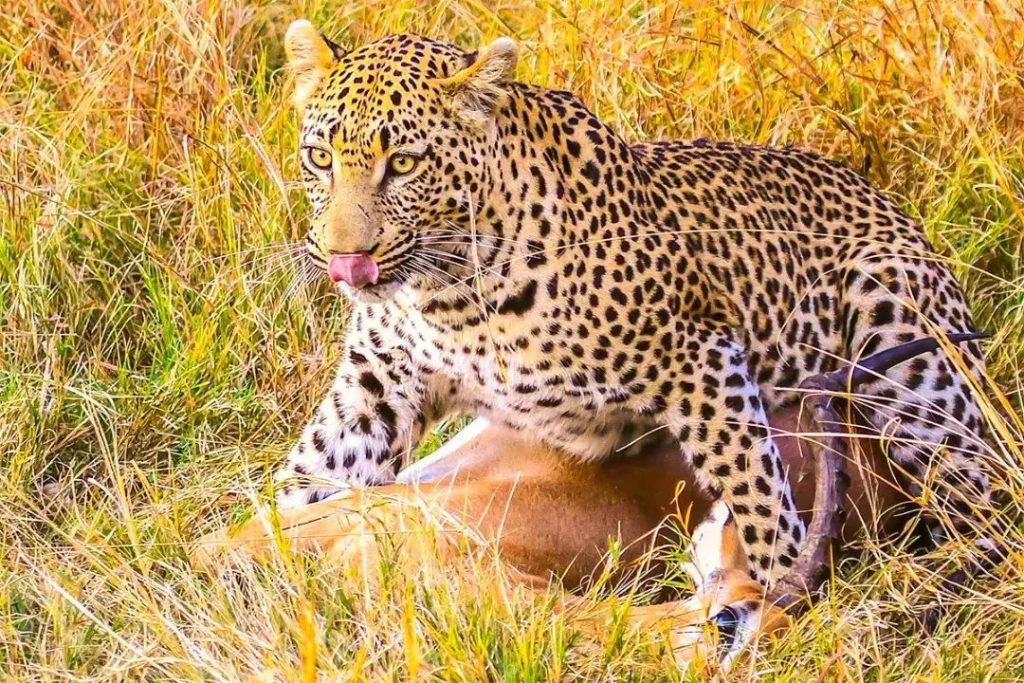
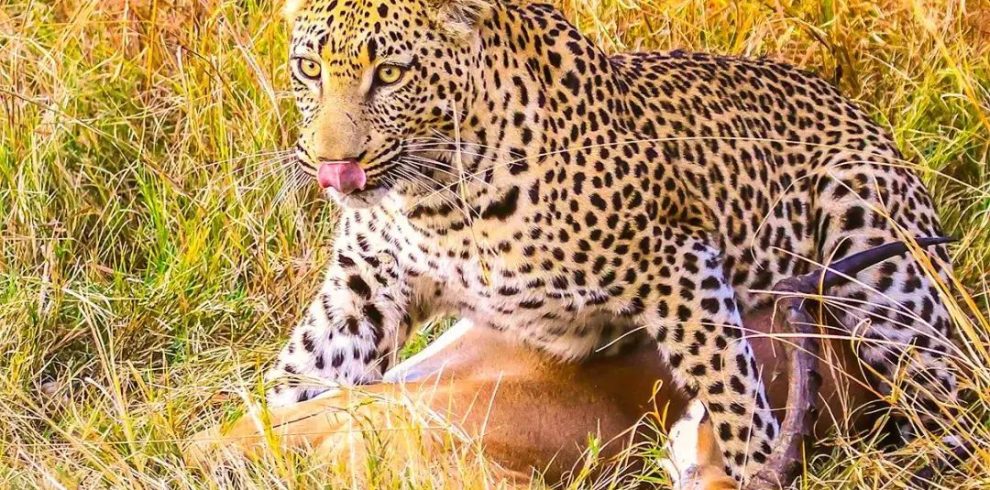
Often described as Africa’s largest natural wildlife sanctuary, the crater offers unmatched opportunities to see the Big Five (lion, leopard, elephant, buffalo, and rhino) in a stunning setting surrounded by dramatic crater walls and diverse ecosystems.
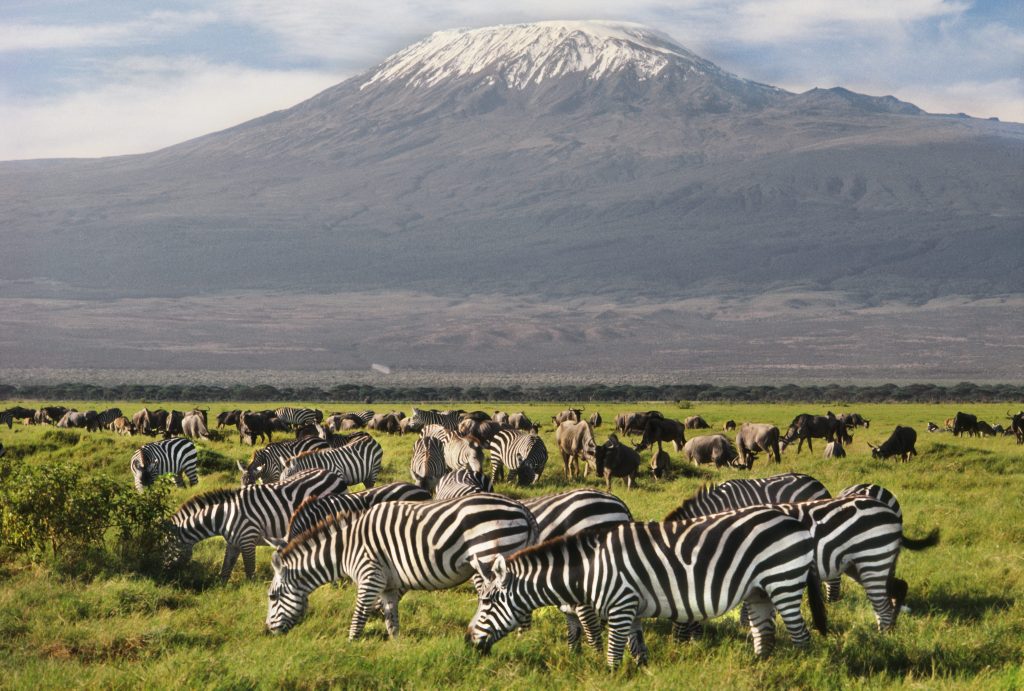
Ngorongoro Crater hosts approximately 25,000 large animals including:
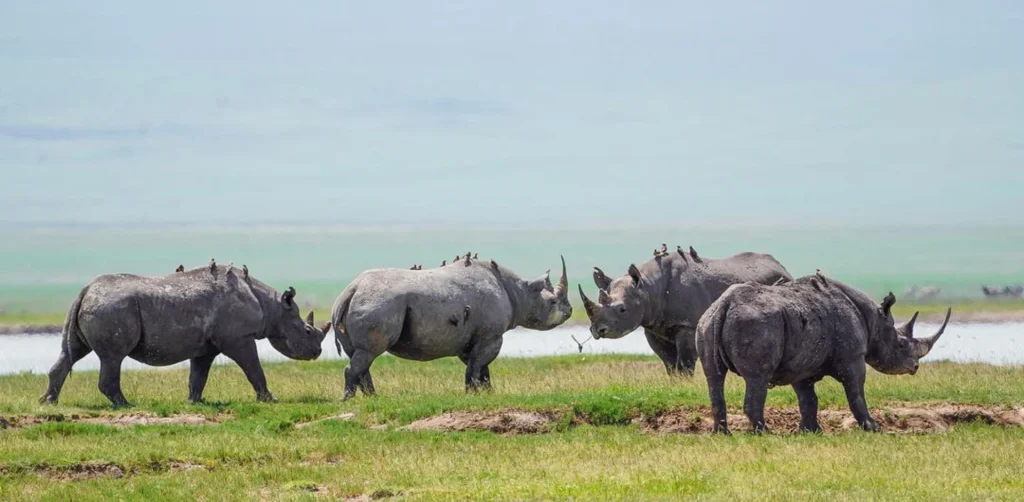
Black and white rhinoceros
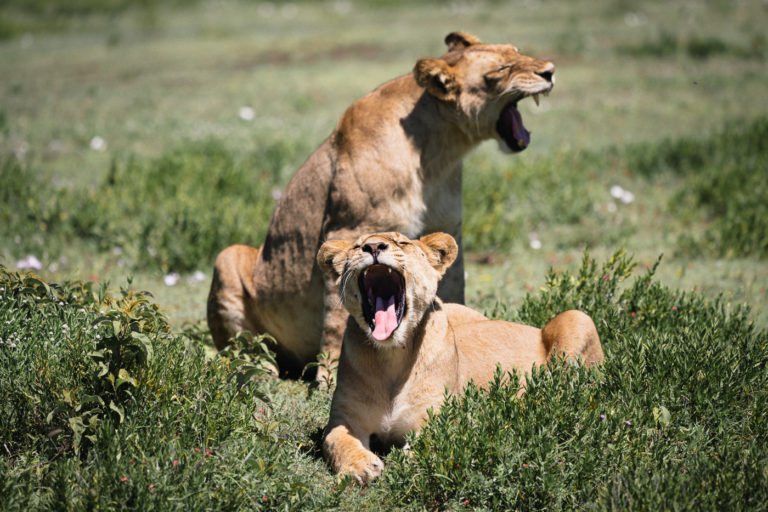
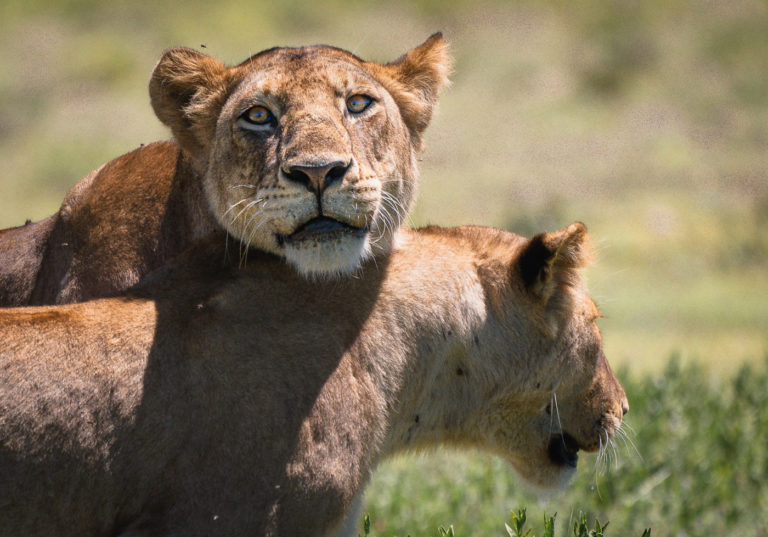
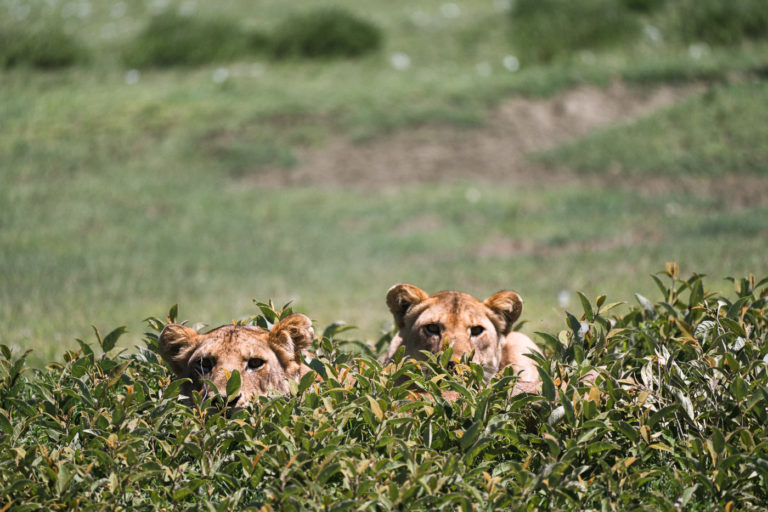
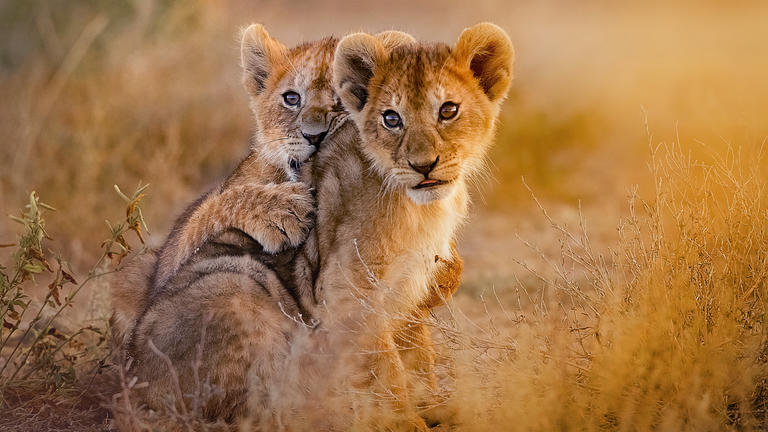
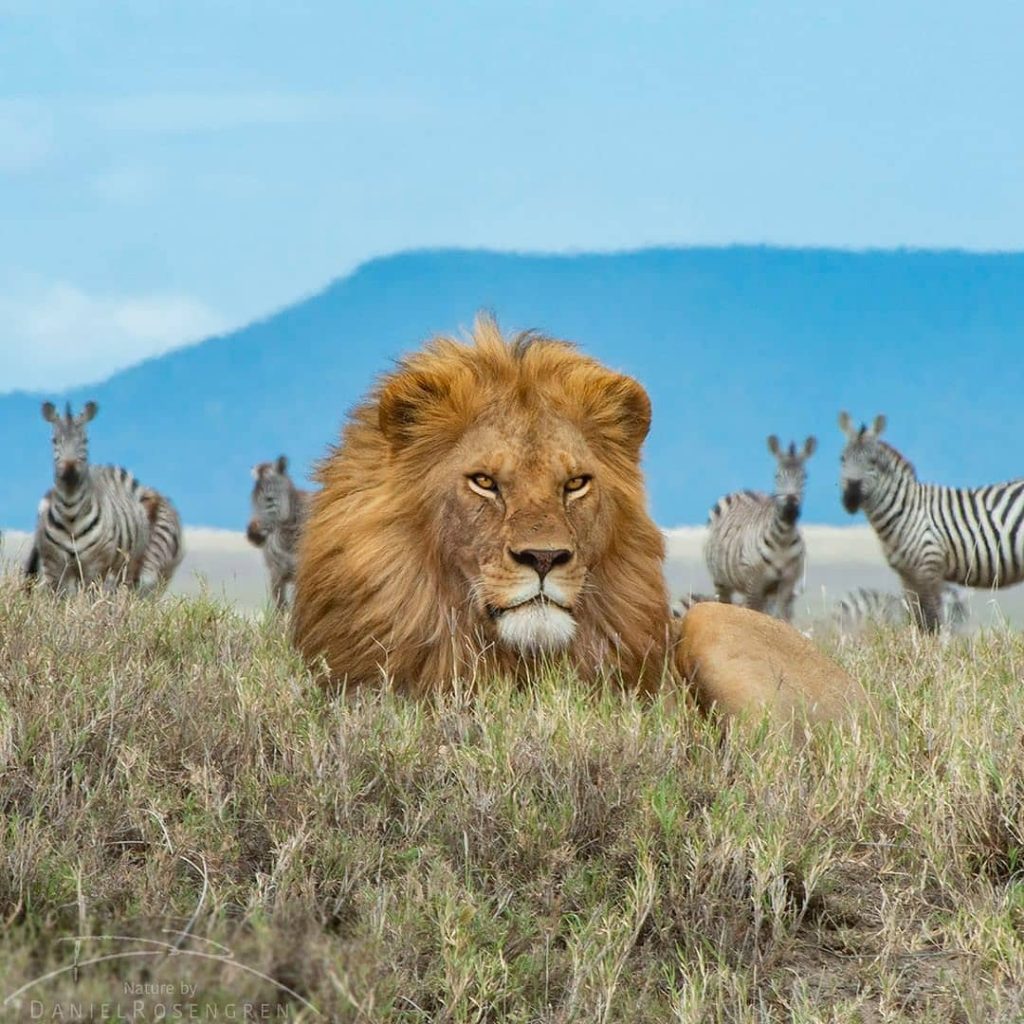
Lions, including rare black-maned lions
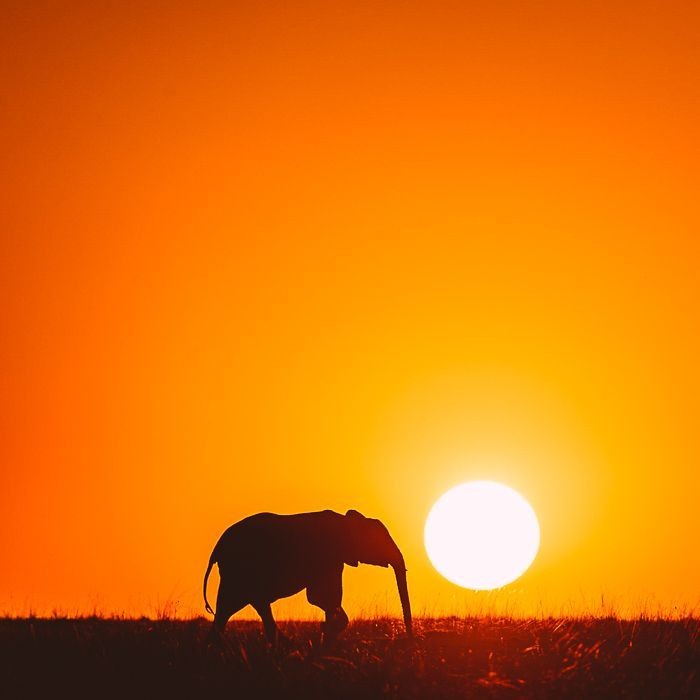
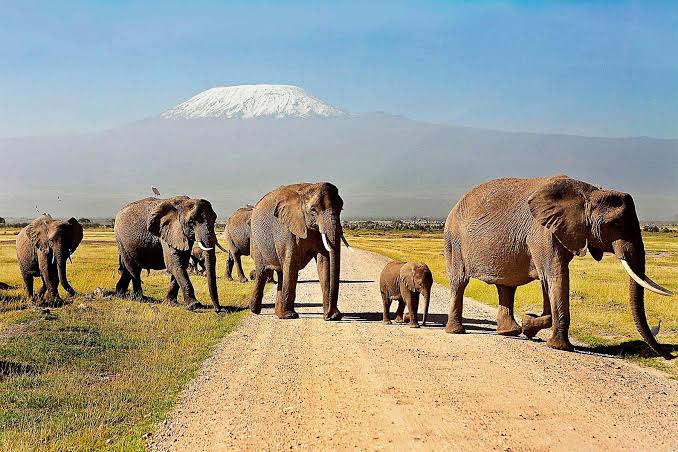
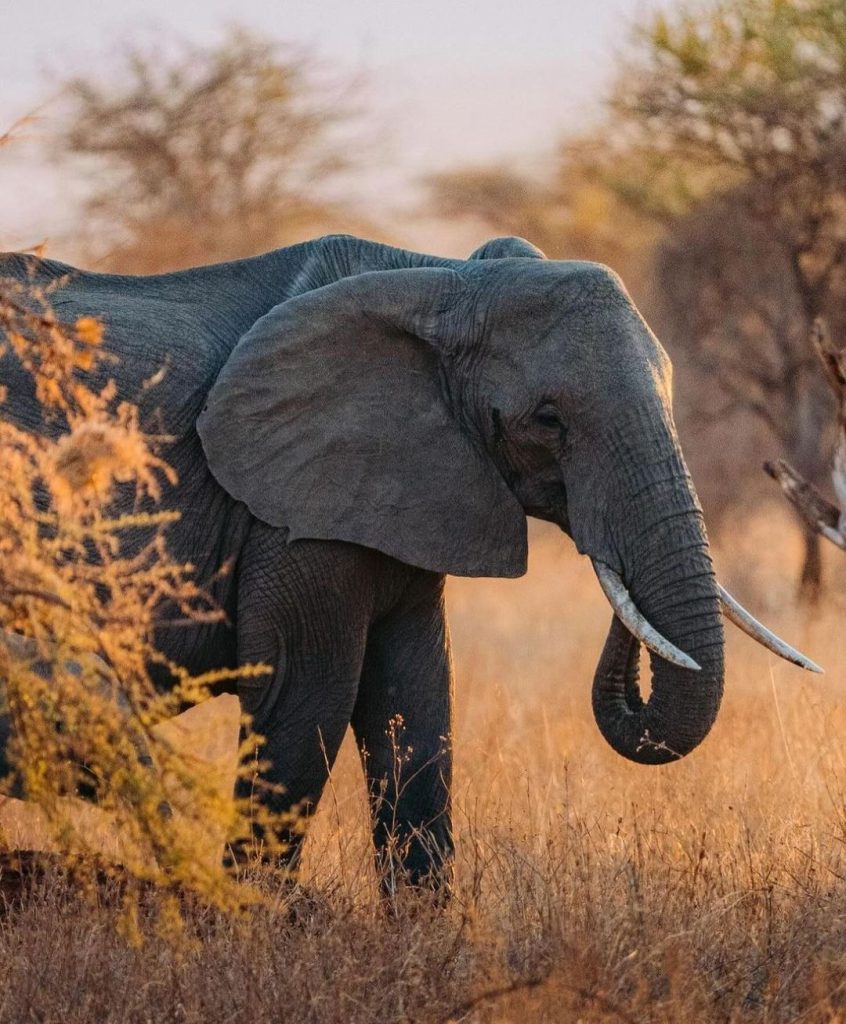
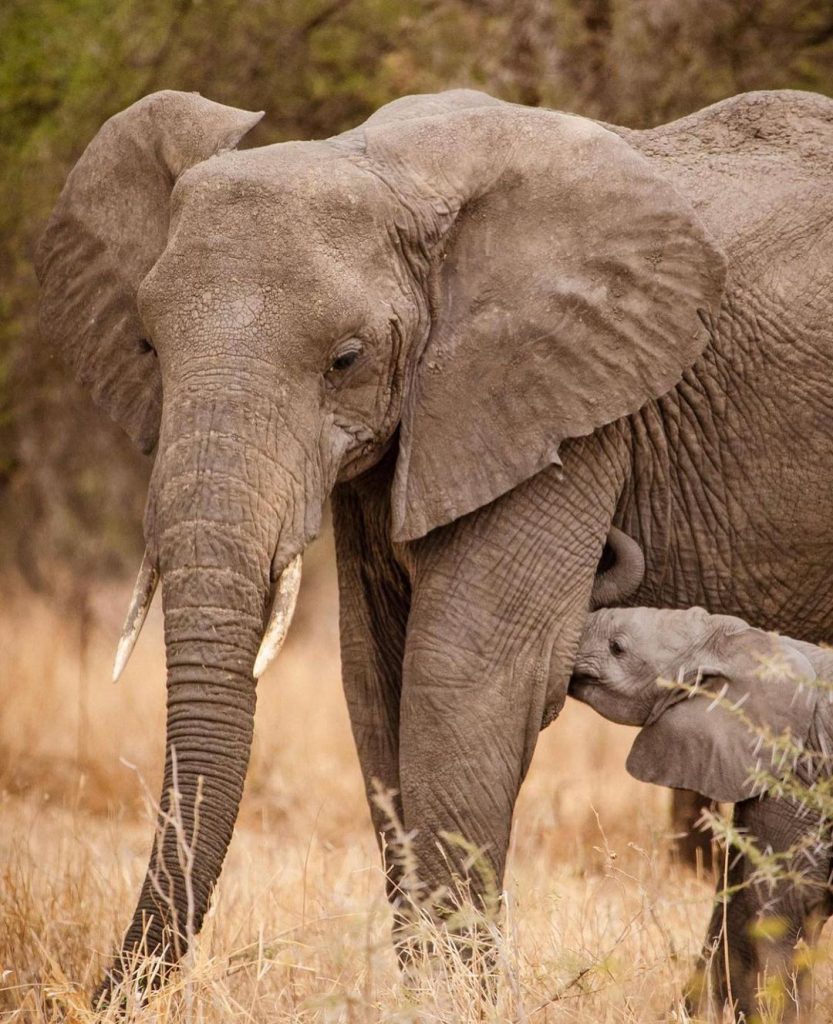
Elephants, herds roaming peacefully
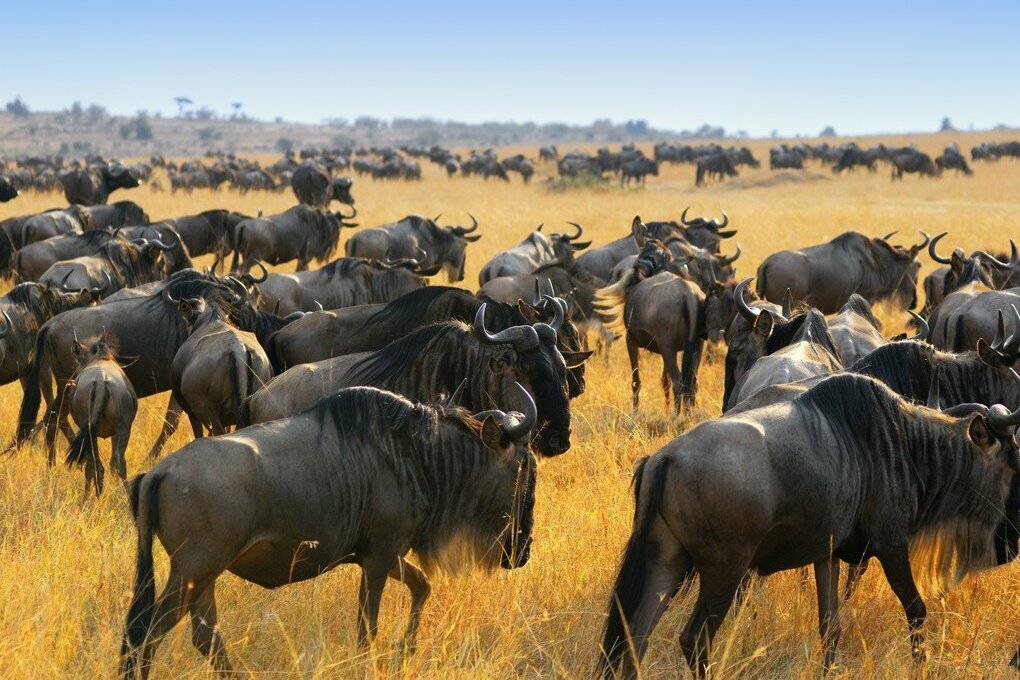
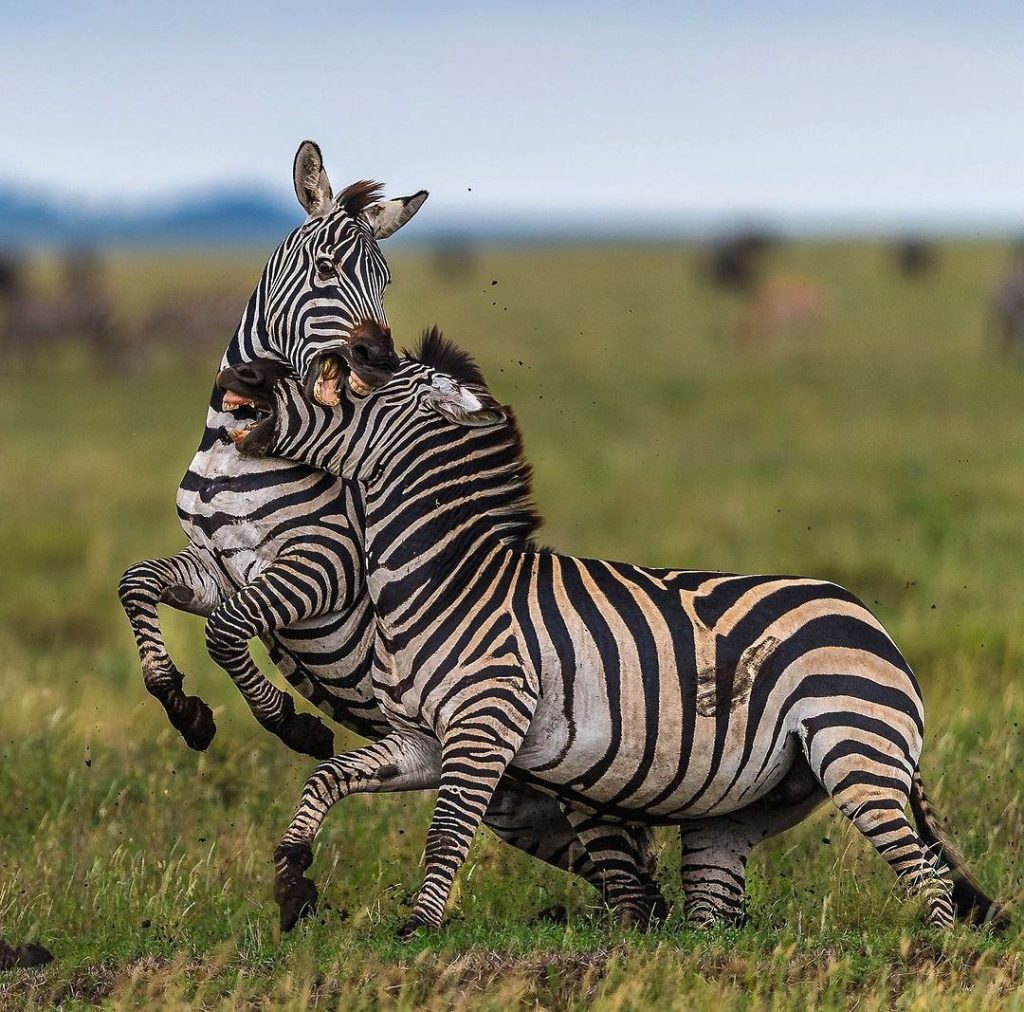
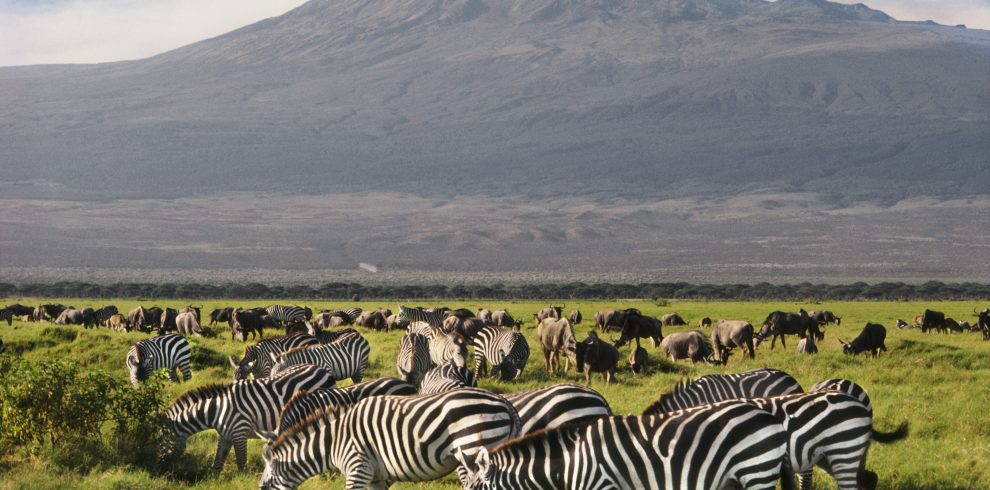
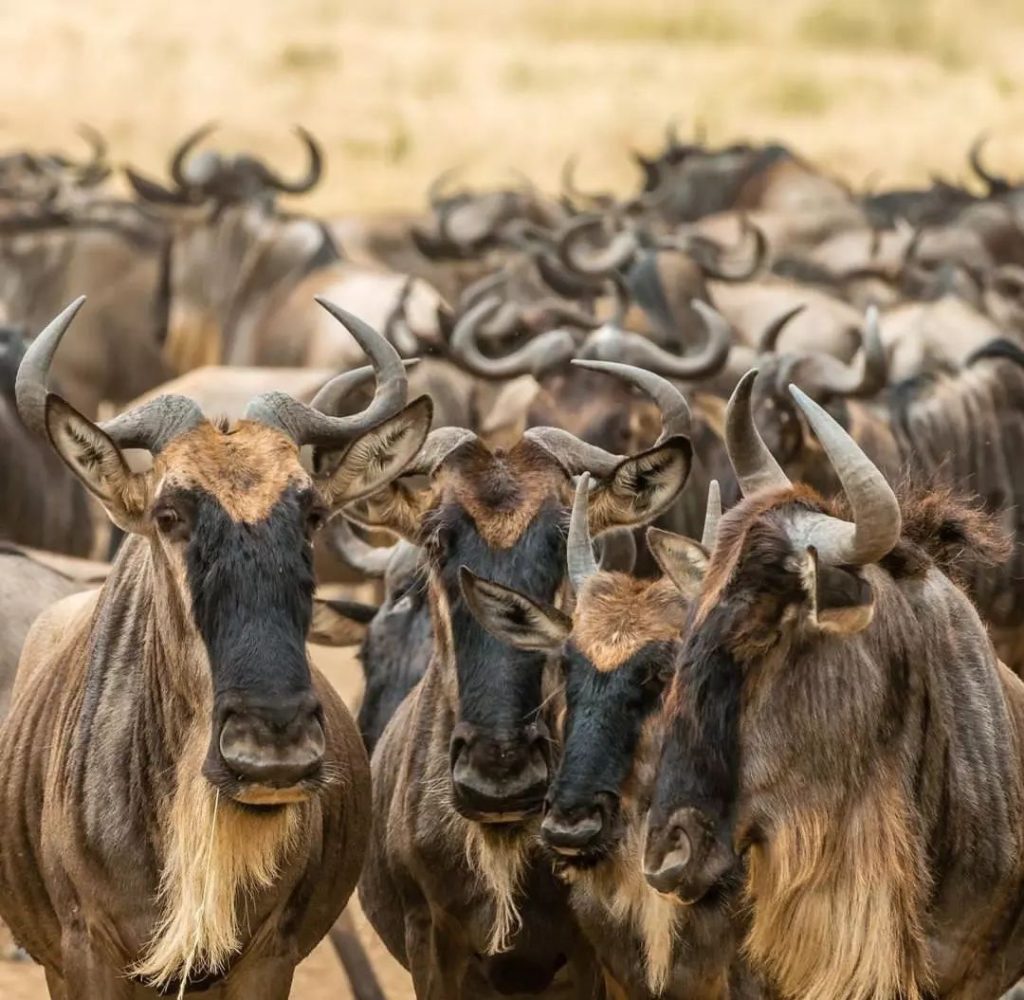
Buffaloes and wildebeests
Hippos in the crater’s water bodies
Hyenas, cheetahs, jackals, and more
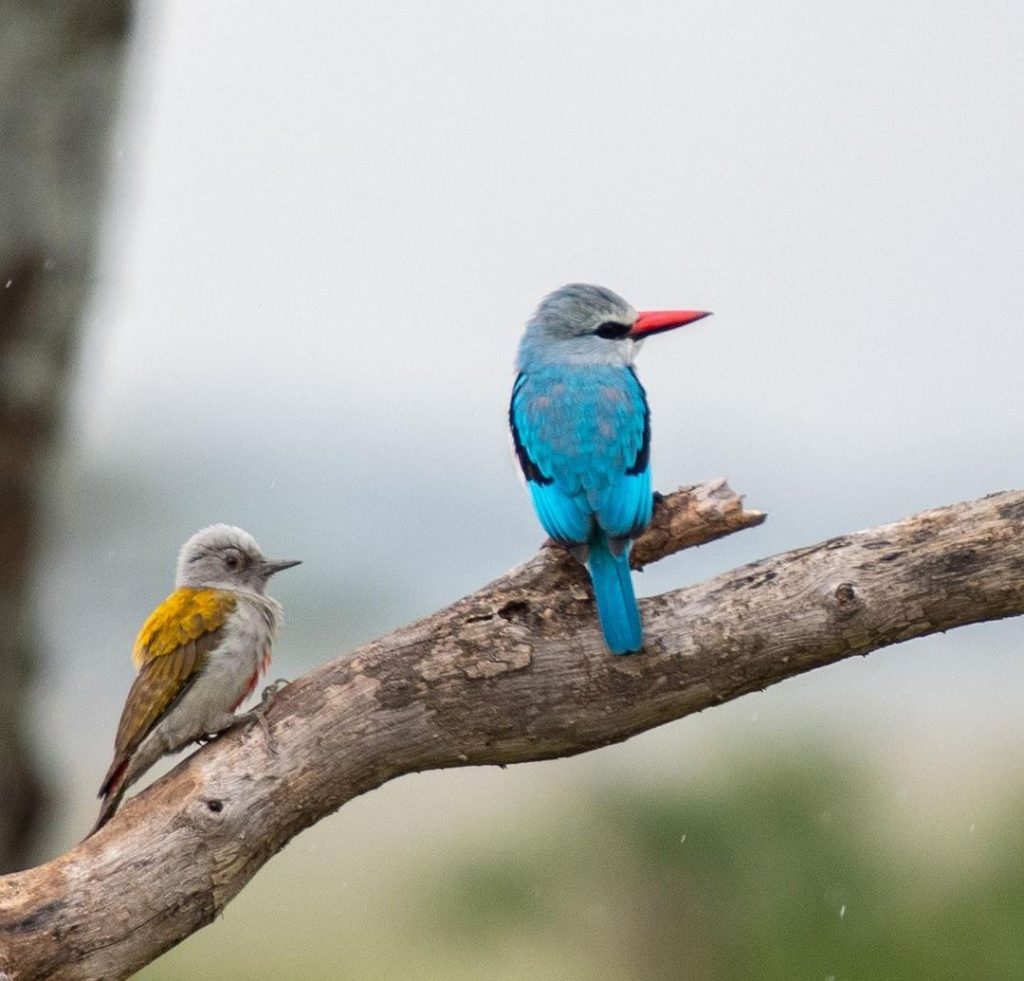
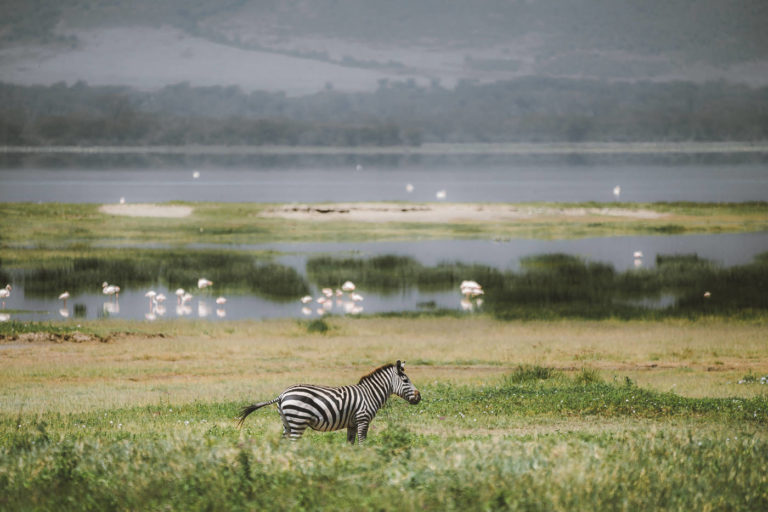
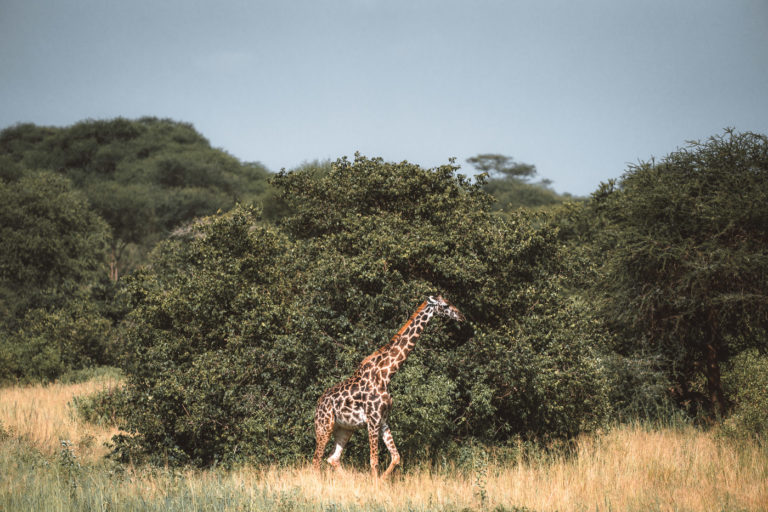
The crater’s landscape varies from open grasslands and freshwater lakes to swampy areas and dense forests along the crater rim. This diverse habitat supports a vast array of birds, including flamingos and vultures.
Unparalleled wildlife density: Ngorongoro Crater contains one of the densest populations of large mammals on Earth.
Conservation success: The crater is a rare example of balanced human and wildlife coexistence, home also to the Maasai pastoralists who live sustainably alongside nature.
Stunning geology: Formed around 2.5 million years ago by a massive volcanic eruption, the caldera offers dramatic scenery with towering crater walls encircling a lush ecosystem.
Visiting Ngorongoro with Atih Safaris means you experience:
Full-day game drives with expert guides who know the best wildlife spots.
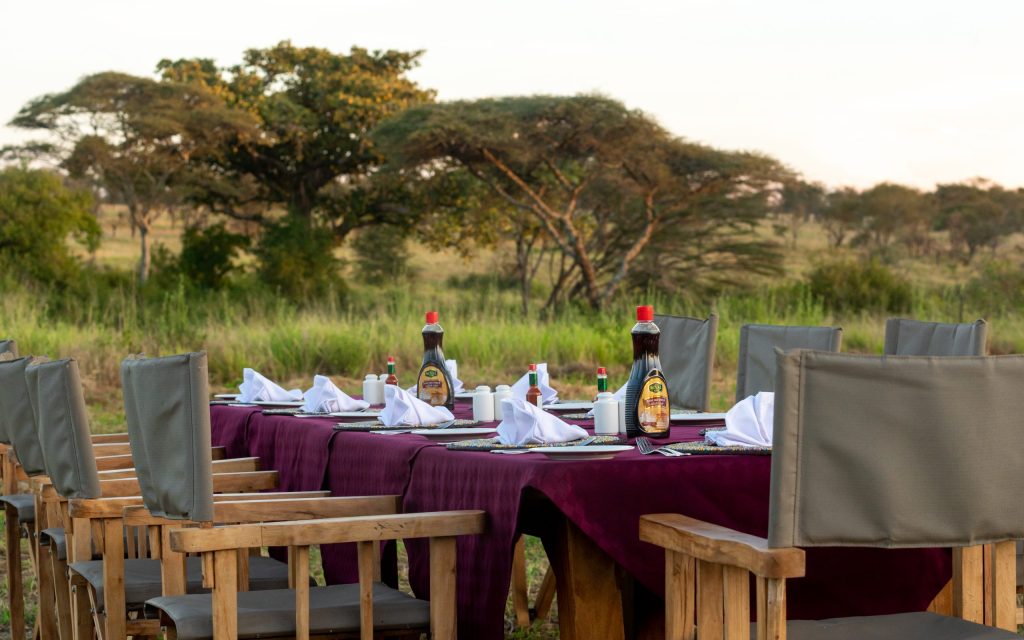
Picnic lunches at scenic crater sites like Hippo Pool or Ngoitokitok Springs.
Cultural visits to Maasai villages around the crater rim.
Optional hikes to viewpoints along the rim for panoramic vistas of the crater below.
Our tours ensure comfortable vehicles with pop-up roofs for unobstructed wildlife viewing and photography, along with personalized service throughout your visit.
Ngorongoro is a year-round destination. However:
Dry season (June to October) offers easier wildlife spotting and pleasant weather.
Wet season (November to May) brings lush scenery and newborn animals but can be wetter and road conditions tougher.
Entry into Ngorongoro Conservation Area requires park permits and conservation fees, all of which Atih Safaris will handle on your behalf, ensuring a seamless and stress-free experience.
Plan your visit today and explore one of Africa’s most breathtaking natural sanctuaries. Witness incredible wildlife in a unique volcanic landscape that promises unforgettable memories.